Showing posts with label From the Favorite Books Bookshelf. Show all posts

Tuesday, December 10, 2024

2024: Best Books (I Read)

Time for my annual list, along with the accompanying list of caveats: these are, simply put, the best books I read over the course of the year. I try to narrow things down to 10ish books, which is awfully hard. I definitely read (and ADORE!) books by my writer friends, but I try to keep those books off this list. It goes without saying, but I’ll say it anyway: ALL lists are subjective. In my personal definition of “best,” I mean some magical alchemy of this book at this time that hit me this way. The order is chronological, so don’t spend time parsing out why one book is first, another last. Also, I had to eliminate some VERY EXCELLENT books to keep my list tidy, and YES, I feel terrible about doing so.


THE GUEST by Emma Cline

I pretty much spent the entire year recommending this dark and suspenseful book about an aging “party girl” who needs to find a way to get through a week in the Hamptons now that she has nowhere to live. Crashing parties, making bad decisions, meeting the wrong people, a phone she doesn’t fix…this book isn’t for everyone, as the reader needs some tolerance of characters you’d like to shake sense into. But this book I succeeds extraordinarily at carrying suspense until (literally) the very last word on the page. (And beyond, honestly; I thought about the ending for days.) I could never get enough of Cline’s nuanced—and tart—observations about socio-economic class and girls/women. This book is one of two on this list that earned a place on my Favorite Books bookshelf…which is saying a lot, as that shelf is jam-packed!


I AM ONE OF YOU FOREVER by Fred Chappell

Fred Chappell was a beloved North Carolina author, and this book—about growing up in western, rural NC—is possibly his most beloved book. Not exactly a novel, not exactly a collection of stories or essays, reading this book is like listening to a master storyteller weave tales about way back, carrying your mind to a time and place you can’t imagine actually existed even as you utterly believe it did. Flirting with magical realism, using an episodic structure which may not appeal to everyone—but persevere and you’ll be rewarded by delightful humor and insights into human nature. If you’re  a writer, here’s a master class in dialogue. Not to sound obsessed with last words and final lines, but when I mentioned on social media that I was reading this book, at least a dozen people commented that the last line is perfect. They’re right!


JAMES by Percival Everett

There should be more awards so this book can win them all. A novel in conversation with Twain’s Adventures of Huckleberry Finn—but don’t stress if you haven’t read Twain or if it’s been a while because James (aka Jim, the runaway slave in Huck Finn) is his own man here, with his own agenda and agency. This book is smart in every possible way, written with an understated writing style that’s never show-offy, only perfect. Some hard, awful things happen in this book, as one would expect given the subject matter (so be warned), and that understated writing serves to make them all seem more awful. (A master class in writing about trauma.) This book absolutely must be in any conversation about The Great American Novel.


EVERYTHING I NEVER TOLD YOU by Celeste Ng

Lots of levels to this novel, which I picked up at a used book sale. At first I thought I was getting a juicy story about family dysfunction in the 70s Midwest, complete with a missing girl, but the book expands to ponder secrets and love and women’s roles and racism. Don’t let the five (!) points of view scare you—Ng handles them all with panache. I was utterly immersed in this novel.


TRUE GRIT by Charles Portis

I admit that I’m a horrible person for wondering why Charles Portis rated a volume of Collected Works in the Library of America series. I mean, come on! The True Grit guy…really? Then I read this book, and now I know. What a stunner! Great voice, clear vision, funny as hell, so much plot (but not too much), awesome characters down to the minor folks. I hadn’t seen the movie before reading the book (I know…what’s wrong with me?), so then I watched the Jeff Bridges version. That movie gets 5/5 stars for sure, but the book gets 10/5. My husband wearied of my saying, “Well, that scene is much funnier in the book.”


LESS by Andrew Sean Greer

I read this on my birthday, which is perfect because at its core, it’s a book about age/aging and love/loving, though it’s also a sparkling, funny book about a writer on a crazy book tour where everything goes wrong, trying to outrun his broken heart. This book won the Pulitzer, which surely is a minor miracle—not because it didn’t deserve the honor, but because those committees are always so Serious & Important. Good for them for finding Serious & Important in the guise of funny and charming.


RULES OF CIVILITY by Amor Towles

Anyone who’s been following my lists knows I’m a sucker for this plotline: “girl comes to New York City to work in publishing.” So how could I not love this novel set in 1938 about a working class girl with gumption and sass who charms her way through Manhattan, first in the typing pool before eventually becoming an editor, all the while running with a glamorous crowd? I’m not saying this is the most literary novel ever written, but I found it literary enough with appealing characters. I know Amor Towles is a wildly popular writer, and I certainly understand why.


LIGHT YEARS by James Salter

One of those books that writers are always insisting writers should read. I listened to this sage advice and bought the book…so long ago that my copy contains a bookmark that refers to the bookstore in the World Trade Center. (!) All these years later I’ve finally cracked it open to read, and wow! The first paragraph caught me, promising an extraordinary book ahead. While the plot (such as it is) seems basic—the story of a marriage—this book’s ambition is to capture life in all its seasons and complications, which it does exquisitely. Yes, it’s episodic—yes, there’s a weird lack of transitions—yes, I found myself wondering if this book would survive the gauntlet of agents and marketing departments today—yes, this book requires close and careful attention. Yes, this book went straight onto my Favorite Books bookshelf.


THE LINE OF BEAUTY by Alan Hollinghurst

Oh, the power of the New York Times Book Review and its list of the 100 best books of the 21st century. Somehow I had never heard of Alan Hollinghurst, which surprised me as I like to think I’ve at least heard of everything and everyone! (I haven’t, but as I said, I like to think I have.) So, off to the library to check this out, in every sense of the word. I found the going slow at first—too many characters; set in 1980s London, so I lacked a frame of reference for many allusions; the pace felt leisurely aka tediously slow. And yet. Such smart sentences! Such depth of character! I persevered, and about 2/3 of the way through I encountered a brilliant and hilarious chapter (summer holiday in France, if you’ve read the book), followed by another brilliant and even more hilarious chapter (party with Margaret Thatcher), and I was ALL IN to the end, which was so brilliant and perfect that I sobbed. So, I returned the book to the library and bought a duplicate hardback edition from AbeBooks so I could have my own copy forever.


TRANSIT by Rachel Cusk

And, again, the power of the New York Times Book Review and its list of the 100 best books of the 21st century which also included Rachel Cusk. I have heard of her, but I realized that I perpetually confuse her with Rachel Kushner, whose work I’ve read and not connected with. So, I thought I should see what’s what with this other Rachel. Oh, goodness—lots! Zero confusion now! (To be clear, this isn’t the book that was on the NYTBR list, but this is the book the library had.) I found myself admiring the autofictional feel of this novel—the second in a series about a recently divorced writer/mom living in modern Britain, basically getting through modern life (in this book, moving into a new [and awful] flat). But beyond those concrete concerns, the book ponders movement and “transit” in a brainy, thinky way that creates an elegant arc. One of those deceptive writing styles that feels so natural, that’s actually hard AF to pull off.


Three endnotes:


For my short story book club, I did a presentation on the Irish writer William Trevor, whose stories are stealthily devastating. If you’re not familiar with his work, here are three that will turn you into a fan:

“A Choice of Butchers”

“After Rain”

“A Day”

 ~~~

I have a standing free-flow writing date on Thursday afternoons, and I start each session by reading poetry (a strategy I highly recommend). Here are the books that kept me company throughout 2024 (to be transparent, these are writers I know IRL). If you’re looking for more poetry in your life, I suggest starting here:


CHARM OFFENSIVE by Ross White

WHIPSAW by Suzanne Frischkorn

BORN BACKWARDS by Tanya Olson

IF IN SOME CATACLYSM by Anna Leahy

A LITTLE BUMP IN THE EARTH by Tyree Daye


~~~

Finally, I'll indulge myself and mention some recently published novels/story collections/essays by friends that I absolutely ADORED:


SEX ROMP GONE WRONG by Julia Ridley Smith

A SEASON OF PERFECT HAPPINESS by Maribeth Fischer

OUR KIND OF GAME by Joanna Copeland

MISS SOUTHEAST by Elizabeth Lindsey Rogers

THE MARY YEARS by Julie Marie Wade

GREENWOOD by Mark Morrow


~~~


Hope your 2025 is filled with good books and a Favorite Books bookshelf that expands an inch or two or ten!


Monday, December 4, 2023

2023: Best Books (I Read)


Time for my annual list, along with the accompanying list of caveats: these are, simply put, the best books I read over the course of the year. I try to narrow things down to 10ish books, which is awfully hard. I definitely read (and ADORE!) books by my writer friends , but I try to keep those books off this list. It goes without saying, but I’ll say it, that ALL lists are subjective. In my personal definition of “best,” I mean some magical alchemy of this book at this time that hit me this way. The order is chronological, so don’t spend time parsing out why one book is first, another last. Also, I had to eliminated some VERY EXCELLENT books to keep my list tidy, and YES, I feel terrible about doing so.


Night of the Living Rez by Morgan Talty (short stories)

This collection of stories is perhaps my most recommended book of the year, tied with The Disappeared (below). I read a lot of linked story collections this year. I especially love loosely linked stories that feel in conversation with each other vs. stories marching out a plot. These are set on and around a Native community in Maine, and yes, there’s much heartbreak and hardship, but mostly there’s perseverance and depth and compassion. I defy anyone to slide on by that first story without feeling gripped by the throat. Highly accomplished collection, and if you want to feel depressed, I’ll drop in that the author was 31 years old when this book was published.


The Story of Jane: The Legendary Underground Feminist Abortion Service by Laura Kaplan (nonfiction)

An immersive, well-organized account of the underground women’s collective in Chicago known as “Jane” that provided safe (but illegal) abortions before Roe v. Wade. Maybe not the most elegantly written book, but given the vastness and complexities of the topic, it does an excellent job at ferreting out the group’s historical origins and at helping us understand why these women would risk so much to help other women eliminate an unwanted pregnancy. The tone is very matter-of-fact, which does make for some grim moments.


King Leopold’s Ghost: A Story of Greed, Terror, and Heroism in Colonial Africa by Adam Hochschild (nonfiction)

I don’t know enough about African history, and this book does an excellent job showing the horrors of colonialism as seen through the Belgians’ exploitive rampage through the Belgian Congo (now known as The Democratic Republic of the Congo), in East Africa. Greed, abuse, hearts of utter darkness…and some folks along the way who stood up to try to correct the situation as best they could. Reads like a novel…and if only it were fiction. (Also, given exploitative mining and other abuses continuing in the DRC, if only this were all in the past.)


Deer Season by Erin Flanagan (novel)

This book (and its foreboding cover) called to me from the shelves of the Elliot Bay Book Company while I was in Seattle for AWP. Billed as a “literary mystery,” a teenage girl goes missing and everyone leaps to conclusions about the intellectually disabled farmhand. My Iowa-girl-self loved that the book was set in Nebraska with tiny midwestern details I appreciated. And the sense of place was powerful—close-knit? Or utterly claustrophobic? Alternating POVs worked perfectly which is hard to pull off IMO.


Training School for Negro Girls by Camille Acker (short stories)

Stories set in Washington, DC…given my most recent book of stories set in DC, how could I not be intrigued? Complex, nuanced, well-observed, these stories show us Black culture in the city, starting with a story that prickled the hair on the back of my neck. The final story was a lovely echo and elegy to DC that made me nostalgic and homesick, though I’ve never known that place or been part of that community. For old-time DC folks, there’s a wonderful novella in which Len Bias plays a role. (IYKYK: no happy ending there.)


Tinkers by Paul Harding (novel)

I believe that books come along at the right time. Of course, I’d heard of this book, the small press book “no one heard of” that won the Pulitzer in 2010, but I hadn’t felt the desire to read it until A) seeing a random tweet talking about how excellent it was; followed by B) finding a nice copy for sale for $2 at the annual used book sale I attend. Wow! A stunner. I’m not always a big fan of densely lyrical books, but I was promptly won over. The “plot” of thinking back over a life makes Tinkers feel more like a poem than a novel—in a good way. I wish I’d been able to read this short novel in a day, as I imagine that would be a richer experience, but alas. Here’s one of my favorite lines: “The wonder of anything is that it was made in the first place.” Very aggravating to think of mainstream publishers passing on this masterpiece!


Family Happiness by Laurie Colwin (novel)

I’ve long adored Laurie Colwin’s food writing and her short stories and am among the legions who wish she had lived much, much, much longer than her 48 years. In shuffling around books when arranging my new shelves, I came across Family Happiness, which I couldn’t remember reading. In the mood for a New York-y story (which hers almost inevitably are), I dug in. What a quietly subversive book about a woman who’s expected to be and beloved for being “perfect.” Yet, she’s having an extra-marital affair. Yet, the reader is GLAD she is! Yet, her life is so amazing and she loves her husband! How to write a resolution that will be true to this emotionally complicated set-up? Laurie Colwin is brave. Bonus: lots of food!


The Disappeared by Andrew Porter (short stories)

What an exquisite collection! Each story was virtually perfect. Infused with longing and existential loss, with cigarettes and wine, with mid-life couples searching for something. That description may speak to a certain similarity, but I found that each story felt separate and unique. As noted above, this was probably one of my two most recommended books of the year.


Barbarians at the Gates: The Fall of RJR Nabisco by Bryan Burrough and John Helyar (nonfiction)

You can’t expect to “know” my new home of Winston-Salem, NC, without understanding the role Reynolds Tobacco and the company’s founder, R.J. Reynolds, played in creating the town. Streets, schools, hospital wings, etc…it feels like everything is named after Reynolds or people who ran the company after the founder died. As I grappled with learning this history, every single person I spoke to told me to read Barbarians at the Gates. The 500+ page-length scared me off initially, but once I picked it up, this book MOVES. It’s about tobacco and Winston-Salem, but mostly it’s about corporate greed and Wall Street and how the financial things that went down in the go-go eighties are still reverberating today. (Only the language changes: today we say, “private equity firm,” not, “corporate raider.”) This town has not forgiven F. Ross Johnson for packing up the company’s headquarters, for setting in motion the leveraged buyout to haul in a bajillion dollars…and I better understand why not now, despite the cash payout many locals and employees got from having to sell their stock in the takeover.


Mama Said by Kristen Gentry (short stories)

Linked stories set in Louisville, Kentucky, about the members of a tangled Black family, about staying vs. going, about loving each other when it feels hard to do so. If you’re trying to write a story with a large cast of characters,  “A Satisfying Meal,” set during two stressful Thanksgivings, will show you how to do it well. Also, how is it possible that a bat swooping through the house is horrifying and perfectly comic?


Nothing Is True and Everything Is Possible: The Surreal Heart of the New Russia by Peter Pomerantsev (nonfiction)

Published in 2014, this must be one of the most prescient books around. The author, son of Russian emigrees, settled in London, but moves to Russia for nine years as the country is settling into itself after the break-up of the USSR. Jillionaire oligarchs, pretty blonde models, an elaborate web of corruption and bribery…we think we know about all that. Beyond is a surreal life that mirrors reality television (the author’s a filmmaker, working for state-sponsored networks), where the story is always shaped, forming and reforming, and no one knows what the truth is, or really cares. Reading this was a window into the rise of authoritarianism and nationalism and wealth funneling to a few—in Russia, because that’s where the book takes place. But really, right here and right now.


Mrs. Dalloway by Virginia Woolf (novel) & Virginia Woolf’s Mrs. Dalloway by Robin Black (nonfiction)

This was a sublime reading experience! I had never read Mrs. Dalloway (I know, I know). I’ll admit that reading stream-of-consciousness is not necessarily the thing I most wanted to do at the end of a long day, but perseverance was rewarded. This book, “about” a day in 1920s London, in which a woman throws a party and a war veteran dies by suicide, shows that the ordinary can be extraordinary, because this book is really “about” life and loss and mental health and regrets and PTSD and love and thwarted love and London and time and about a million more things. Woolf doesn’t need me to note she’s a master of this complicated POV, even as she makes it look simple. I’ve also read Ulysess (a fact I love wedging into conversation!), and comparing the two is ridiculous…this book is by far the greater achievement IMO. A short time after finishing the novel, I read Robin Black’s nonfiction book, an appreciation of and exploration of Mrs. Dalloway, character and novel. Black writes as a writer, looking closely at craft and authorial choices. Even more importantly, she writes as a reader, bringing in her own experiences through passages of memoir to explore how and why a book, this book, might connect us across time. Juxtaposing these two books was a most excellent way to end a lovely twelve months of reading!

But before I go:

Once a week, I schedule writing by hand in a secluded spot, and I always start my session by reading several poems to align my mind. It’s clarifying to copy down lines and phrases I love in my little notebook. I thought I’d share the books I’ve been dipping into during this past year of writing/reading. I’ve found much inspiration in these pages and am deeply grateful for and in utter admiration of poets.


Fixed Star by Suzanne Frischkorn

The Badass Brontes by Jane Satterfield

Thresh & Hold by Marlanda Dekine

All These Hungers by Rick Mulkey

I Done Clicked My Heels Three Times by Taylor Byas

What Light Leaves Hidden by Terry Kennedy


Here’s to continued excellent reading in 2024!


Tuesday, December 13, 2022

Best Books (I Read) in 2022

Let’s keep it simple this year: these are, simply, the best books I read in 2022 out of all those I read. As is my tradition, I narrow the list to about 10 or so. I often add a separate list of excellent books I read by some of my writer friends, but I decided doing so stresses me out, as I have lots of awesome writer friends, and I know I could (should??) easily spend ALL my time reading their books…yet I don’t, which probably makes me, what, a bad art friend?? So, you’ll see some special categories at the end, but I’ll keep the praise for my friends’ books private this year.


In a secret order known only to me (well, in chronological order of when I read these books):


The Death of Ivan Ilyich by Leo Tolstoy: Short and brilliant. The intensity of my reading experience was aided by reading this in the deep winter, and shortly after suffering a horrific bout of Covid. My introduction to this edition talked about how Tolstoy wanted to pare things away at this point of his writing life, and this book burrows down to perhaps the core of what it means to be human, living a life while knowing we will one day die. Given the title, there’s no surprise here, yet the ending revelation took my breath away. Here’s where I note that I also wrote this in my casual book journal: “Oh, and all the deep stuff with perfect descriptions and funny moments and observations.”


No Diving Allowed by Louise Marberg: I was lucky enough to be asked to write a blurb for Louise’s current book of stories, You Have Reached Your Destination, and once I read those, I raced to read these. Great dialogue, sharp endings (like, razor-wire sharp!), humor, and complicated people in complicated settings. As a fan of linked stories, I admired the linkage here: swimming pools! See, kids, if you’re a good enough writer, you truly can get away with anything!


*The Sum of Trifles by Julia Ridley Smith: A memoir in essays about the “stuff” we accumulate in our lives, what it adds up to, what it means, how we wrestle with its history. The author’s parents were antique dealers who died within a fairly short time span, leaving the author to tackle a house full of THINGS and a family full of complications. *I recommended this book to others at least 1000 times and bought some copies to give away, so I’m calling this my most recommended book of 2022.


Marrying the Ketchups by Jennifer Close: Sometimes you want a charming, funny book set in your beloved Chicago! Smart and sparkly, the sort of book that cheers you up instantly (especially if you root for the Cubs). I read avidly and happily, pretty much without stopping or worrying about the plot or trying to examine writerly tricks. I saw the author speak at the Gaithersburg Book Fair, paired with one of my favorite “smart & sparkly” authors, Katherine Heiny, so I had to give Jennifer Close a chance, and how happy I am that I did.


The Annie Year by Stephanie Wilbur Ash: This is a bit of a cheat, since I spent a Converse low-res MFA residency with this author (which may make us “friends”??), but because, like me, she also grew up in Iowa, I’m stretching my “no friends on the list” rule because I admired and enjoyed this quirky book so much and because Iowans have to stick together. It’s set in small-town Iowa and has one of the sneakiest, snarkiest, saddest, voicey-est first person POV narrators I’ve ever encountered. Masterfully done! Beyond the Iowa setting, I loved all the musical theatre jokes—and the humor in general. Warning: by the end, I was homesick for a pork tenderloin the size of my head.


Against Memoir: Complaints, Confessions & Criticisms by Michelle Tea: A collection of essays that will make your brain fire along new synapses! Verve, sass, and an exploration/celebration of queer culture I confess to not knowing enough about: music, feminist festival controversy, a well-known San Francisco lesbian gang, and more. I bought this book at the AWP writing conference bookfair, sort of as a random purchase to support a press I wanted to support, and the person who took my credit card said, “Oh, I just LOVE Michelle Tea.” Me too!


Anna Karenina by Leo Tolstoy: Is it really fair when a list includes TWO works by Tolstoy? This was a reread, and I was curious to see if the book would maintain its space on my “Best Books” bookshelf. YES. Yes, there are some slower sections, yes, Tolstoy was a terrible husband/person IRL. But the scope of this book is so massive and so specific to this segment of Russian culture—while also being universal to today, and, likely the years to come. The reader experiences society, religion, economy, class struggles—and all the complicated emotions that make humans human. Some of the scenes I found especially memorable were the peasants scything, the bees at the end, and Anna’s horrific breakdown. A book that left me feeling the awe of witnessing true artistic achievement.


Jackie & Me by Louis Bayard: A novel set in 50s DC about Jack Kennedy’s courtship of Jackie…if “courtship” is the right word for dumping her on ice and expecting your dear, gay friend to entertain her until you’re ready to settle down. I loved the old-timey DC details (Garfinckel’s!) and the Nick Carraway, outsider POV. What is the cost of giving up one’s own authentic life?  What does a “great man” deserve from us? Plus, sorry, but I’ll probably always be a little bit of a sucker for the Kennedys.


Lucky Jim by Kingsley Amis: I once read half of this novel and then set it aside. But now, having read all of it, I’m not sure why/how I stopped reading before. One of the classic “campus novels”—poor, ambitious junior professor Jim is just not getting any breaks, and—surprise—he’s surrounded by nitwits and saboteurs. This book is HILARIOUS, with perhaps the single funniest scene I’ve read in my entire life, coming at the end, on a glacially slooooow, super-suspenseful bus ride. This book is dated, so one does have to—ahem—overlook some pretty crummy stuff. I managed to do so, but I understand that some may choose otherwise.


Remains of the Day by Kazuo Ishiguro: Another reread, for a book club. Same reaction as when I read this way back when: WOW. At least half of the blurbs on the back of my edition call this a “perfect novel” and about half of the writers commenting on the FB post I wrote about the book also called it a “perfect novel” and by the time my book club meeting was over, a majority show of hands also agreed it’s a “perfect novel.” Make what you will of all that. 😊 The use of the unreliable, first person narrator is perfection; using the trope of the English butler is smart, offering important and nuanced commentary about money and class; and the depiction of a man coming to a certain point in his life and being forced to question everything is a heartbreaker.


Come Back in September: A Literary Education on West Sixty-Seventh Street, Manhattan by Darryl Pinckney: If you’re read my list before, you know that one of my favorite genres is the Venn diagram where NYC and writers meet, especially if there’s a well-defined historical time period and/or a literary clique and/or a young person discovering themselves. Here we’ve got the perfect bullseye, with this impressionistic memoir of a young (black) (gay) man getting a vast (and enviable!) literary education from writer/critic Elizabeth Hardwick (ex-wife of poet Robert Lowell), who starts in the 70s as his teacher and ends as a beloved friend in the 80s. This loose (but brainy) writing style maybe is not for everyone, but I fell into it and eventually it didn’t matter that I didn’t recognize the name of every famous writer/publication/downtown personality mentioned: I let the whole thing sweep over me and simply wished I were there.


Special categories:


Here are two collections of short stories that I loved. Because I’ve decided to excuse myself from having to read EVERY story in a collection, I feel funny adding them to my larger list because technically I didn’t finish these books entirely. (Why are there so many stupid rules here? Who runs this enterprise?)


We Were Angry by Jennifer S. Davis

Proof of Me by Erica Plouffe Lazure

*** 

Lest you think I don’t read poetry, here are a few collections I loved this year. (Yes, I can LOVE a book of poems despite not reading every single poem in it! Yes, I know this is an act of chaotic evil! Yes, these are poets I know IRL that deserve attention!)


89% by Sarah Cooper

Fixed Star by Suzanne Frischkorn

Reparations Now! by Ashley M. Jones


 ***


Finally, here are some books I wrote blurbs for, so look for these books in 2023:


Our Sister Who Will Not Die by Rebecca Bernard (stories) (already out!)

The Company of Strangers by Jen Michalski (stories)

Set Adrift: A Mystery and a Memoir by Sarah Conover (CNF)

Bookish People by Susan Coll (novel) (already out!)

Bone Country by Linda Nemec Foster (prose poems)


Cheers, and here’s to another happy year of reading in 2023!


Monday, July 25, 2022

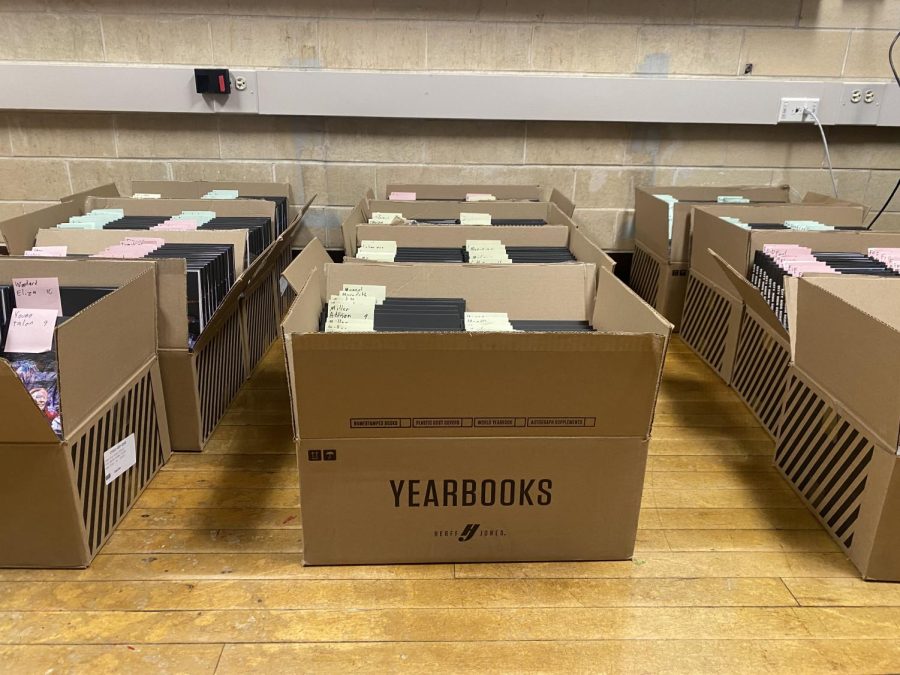
10 (11) Writers Who Probably Would/Wouldn’t Sign My High School Yearbook


 Photo credit: The Little Hawk, Iowa City High School, Iowa City


11 Writers Who Would Probably Refuse to Sign My High School Yearbook

Salman Rushdie

Martin Amis

Graham Greene

Robert Lowell

T.S. Eliot

Jonathan Franzen

Cormac McCarthy

Thomas Pynchon

Jean-Paul Sartre

Samuel Beckett

Alice, of Go Ask Alice


11 Writers Who Would Probably Sign My High School Yearbook with X’s and O’s & Entreaties to “Stay Sweet”

e.e. cummings

Elizabeth Strout

Judy Blume

Jacqueline Susann

George Saunders

Stephen King

Anne Lamott

Walt Whitman

James Baldwin

S.E. Hinton (ok: “stay gold,” not “stay sweet”)

David Sedaris (ok: ironically, but I wouldn’t know that back then)


1 Writer Who Would Sign My High School Yearbook with Footnotes that Take Up a Whole Page

David Foster Wallace

Wednesday, June 22, 2022

10 Living Writers I Admire Yet Am Afraid to Meet & Why


(in no particular order)


1.     Lionel Shriver*: too relentless

2.     Margaret Atwood: too angsty about not yet winning the Nobel she deserves

3.     Donna Tartt: too happy living a life without social media

4.     Zadie Smith: too talented

5.     Roxane Gay: too worried I’m accidentally friends with her nemesis

6.     Erica Jong: too sexy

7.     Jay McInerney: too tired of talking about my beloved second person POV

8.     Jon Krakauer: too eager to investigate

9.     Tara Westover: too educated

10.  Colson Whitehead: too many Pulitzers


*Wearing that sombrero didn't help....


 NOTE: I'm taking a summer break from writer interviews and am just going to have FUN with this blog for a month or so.

Thursday, December 10, 2020

Best Books (I Read) in 2020

I’ll say this about this crummiest of years: I read more books than usual, since reading is my favorite way to escape the world. Narrowing what I read down to 10ish books for my annual list of “best books I read this year no matter when they were published” is consequently VERY DIFFICULT. (Nothing about 2020 is easy! My first cull gave me 21 options!!) As always, I’ve refrained from including on my list books by writers I know/“know”, and I’ve moved those to a separate category. Order is chronological to how I happened to read these books, which basically means the order is random. And do I mean “best,” or do I mean “favorite,” or do I mean “book that was exactly right for the moment I read it”? Maybe I simply mean, “book I literally and truly recommended to others at least once over the year.”

Disappearing Earth by Julia Phillips: Linked stories (not a true novel, sorry publisher who claims it is) set in a remote peninsula of Siberia. Beautiful language, an austere setting…I was mesmerized.

You by Caroline Kepnes: Voice x 1000! Dark, funny, smart, New Yorker, bookish, creepy. I loved the TV show, but the book is even better.

Down and Out in Paris and London by George Orwell: I ended up reading a lot of books about dire situations this year, and this (non-fiction) depiction of the working poor in the 1930s was one of the most dire. A disturbing, compelling book.

How Much of These Hills Is Gold by C. Pam Zhang: Here’s another very dire and very harrowing book, about two Chinese-American girls struggling to survive in the 19th century American west. You’ll rethink the myths of the west and the immigrant tale. Well-structured, gorgeously written, unforgettable. But DIRE x 1000!

Master Georgie by Beryl Bainbridge: She’s an under-appreciated writer in the U.S., I think, as I’ve admired several other books she’s written. Wonderful historical fiction, inventively told, about a surgeon and his circle of affiliated people. The sections in the Crimean War are (wait for it) incredibly dire. Also, a truly shocking ending that was, nevertheless, inevitable. Interesting to read for structure if you’re struggling with that in your WIP.

Among the Thugs by Bill Buford: A horrifying (and dire) immersion into 1980s British “football” hooligan culture. Lots to think about with regard to group-think. A violent book, but a thoughtful one. We like to think we’d never fall sway to mob violence, but I’m not so sure.

Your Blues Ain’t Like Mine by Bebe Moore Campbell: It’s rare these days to find a novel that sweeps through decades as this one does, starting with a fictionalized Emmett Till character, and following the ripples and waves outward from that terrible murder. It’s also rare to see a novel tackle so many POVs, including that of the woman who incited this incident.

**The Pursuit of Love & Love in a Cold Climate by Nancy Mitford: Life is not entirely dire, and maybe there’s a reason this is my **favorite book of the year; after finishing, I immediately crammed it into my “favorite books bookshelf.” I absolutely loved everything about these two companion books in one volume; I didn’t read, I inhaled them! Funny, frothy, smart, provocative, zany…about a rich British family after WWI. Rabbit holes I traveled down after reading include researching Nancy Mitford and the Bright Young Things (be assured she’s not the Nazi Mitford sister); ordering a special marmalade mentioned; researching and baking a special walnut cake alluded to; watching the (delightful!) movie on Amazon Prime. Truly, for me, this was a magical reading experience, made more so by the fact that I’d randomly grabbed this book at least a year ago out of a Free Little Library, mistakenly thinking it was a memoir about the Mitfords. What a joyful discovery.

 Leave the World Behind by Rumaan Alum: So eerie and unsettling that I had to make sure I still had cell service several times. This book is about the (possible) end of the world, as seen through two very different couples who are ensconced in a luxury house beyond the reach of what we imagine must be mayhem and destruction, who have no way of knowing what’s going on. (Nitpick: no one has a radio??) A good book to read if you’re into interesting POV, as I thought the omniscient narrative worked well to create a disturbing sense of distance.

Interior Chinatown by Charles Yu: IMHO this book totally deserves the National Book Award that it recently won. It’s inventive, funny, dark, and on-point with regard to thinking about issues of race today. The book is told in the form of a screenplay, which I found easy to melt into, and on the surface is about a young Chinese-American male actor trying to get better roles in a police procedural called “Black & White.” So…clearly, it’s about much, much more than TV.

Rereads I’m Sneaking onto My List

 Sometimes one just needs to comfort-read a beloved volume from childhood. These two still stand up for me:

 From the Mixed Up Files of Mrs. Basil E. Frankweiler by E.L. Konigsburg: I was missing NYC, and this charming story about a brother and sister who run away from home and live in the Metropolitan Museum of Art is about as perfect as a novel gets. I’m incredibly jealous if you’ve never read it and get to encounter it for the first time!

The Catcher in the Rye by J.D. Salinger: I was missing NYC (a different time) and returned to one of the books that changed my teenage life, now viewing Holden’s struggles with the “phonies” as an extended meditation on unexpressed grief and loss. Maybe I’m smarter now, or, more likely, just older and possibly wiser. Brilliant book.

*** 

And now a shout-out to the books I read by my friends and social media friends that I love-love-loved!

Malawi’s Sisters by Melanie S. Hatter: After a young Black woman is murdered in a “stand your ground” incident, we follow the family left behind as they try to cope with this shattering loss. Great use of multiple POVs.

The Cactus League by Emily Nemens: Spring training baseball in Arizona captured with depth and nuance.

Jack Kerouac Is Dead to Me by Gae Polisner: YA…lost friendship, the lure of the boyfriend with the motorcycle, butterflies, and a surprising yet inevitable ending I so admired.

I Brake for Moose by Geeta Kothari: Short stories about a thousand different things, including feeling placed (or not) in the world. (My favorites were the title story and “Foreign Relations.”)

This Is One Way to Dance by Sejal Shah: Lyric essay collection; here’s a super-short sample, about the author’s “Indian” wedding, one of my favorite pieces: https://brevitymag.com/nonfiction/things-people-said/

 Until We Have Faces by Michael Nye: Short stories, and what I especially loved was seeing people at work, in a variety of jobs (including, not for the faint of heart, a man raising dogs for meat after chickens have been wiped out).

Coal Black Horse by Robert Olmstead: Set during the Civil War, this lyrical novel is spare, precise, and urgent. Oh, and dire.

Clutter: An Untidy History by Jennifer Howard: Part memoir, part exploration of why we have SO. MUCH. DAMN. STUFF.

wife | daughter | self: memoir in essays by Beth Kephart: I’m cheating, since this book will be officially released in the spring (pre-order now!!). Relentless exploration of self, with sentences that will stop your heart with their exactness.

The Fear of Everything by John McNally: Immersive short stories that made me feel I was getting a novel in 20 pages. My two favorites: “The Creeping End” and “The Blueprint of Your Brain.”

 The Rest of the World by Adam Schwartz: The author uses his two decades of experience as a schoolteacher in Baltimore to capture the tough yet fragile complexities of adolescence in these short stories. Dire, nuanced, hopeful.


Happy holidays, everyone, and happy 2021! I'm grateful you're part of my  literary/reading/social media/real life community!

Tuesday, December 3, 2019

Best Books (I read in) 2019


Yes, yes…I know these books were not necessarily published in 2019. But it’s my list, so I can organize it as I please! Every year I cull down the books I’ve read over the year to 10ish or so of my favorites. Because I don’t want to stress myself out or hurt anyone’s feelings, I choose not to include books by friends or even “friends” I interact with on social media; instead, I list books I’ve read (and loved) that were written by friends in a separate section. And I’m sorry if I’ve bought your book and not yet read it…I’ll get to it. One of the great pleasures of reading is finding the exact right book for the exact right time and place and mental space. (That’s why I’ve always got at least 250 unread books ready and waiting!)

So, in no particular order:

Dare Me by Megan Abbott: Megan Abbott gets lumped into the mystery/thriller sections, but no one is better about writing about women and girls and power and secrets and friendships. Yes, dead bodies show up, but Abbott’s work is really about group dynamics, and Dare Me may the best of all, exploring the dark world of competitive cheerleading. Read the book before you watch the new series on the USA Network. (Now that I’ve typed that, I’m stressed out, wondering if You Will Know Me is better than Dare Me. Hmmm…read them both!)

The Child Finder by Rene Denfeld: Dark and elegant, literary and gripping, a book you can’t put down. There’s a missing child, so beware if that’s a trigger for you, but Denfeld finds the humanity in each character. The ending is something of a miracle, and that last paragraph makes me tear up, just thinking of it right now.

H Is for Hawk by Helen Macdonald: This book had been on my shelf forever, and it was my experience last year with falconry that finally got me to crack open the cover. What a stunning memoir, weaving together the author’s grief over the death of her father and the way she copes with this loss, by training a beautiful, wild goshawk named Mabel. I’m not usually one for long passages of descriptive writing, but I would listen to Macdonald describe the pavement on a strip mall parking lot. Luckily, she chooses instead to describe meadows and birds and trees and nature. An exquisite eye, a singular memoir.

*The Throwback Special by Chris Bachelder: Keep reading, even if you think this doesn’t sound like your kind of book! A group of 22 men meet once a year to re-enact the horrifically iconic football moment in the 80s when Lawrence Taylor tackles quarterback Joe Theismann and his leg gruesomely snaps as millions watched on Monday Night Football. (Do NOT google this video.) The book has a tight focus—this one weekend, at this one hotel where the men gather—but the point of view is expansive, touching (I believe) each of the men. (That’s right: 22 POVs!) And while it’s helpful to know something about football, this book is really about men and love and the meaning of ritual and aging and nostalgia and so much more. *Tied for my most favorite book of the year!

Heaven’s Coast by Mark Doty: A lyrical memoir of grief set (mostly) in weather-wracked Provincetown, MA. Doty’s lover has died of AIDS, during the height of the epidemic, and how can one find the words to convey such a loss? How can one find a way to continue living? Metaphors of the natural world and the landscape of Cape Cod feel one thousand percent fresh here; Doty is a highly-regarded poet, and each word in this memoir feels perfectly, effortlessly selected. Possibly the best grief memoir I've ever read.

The Black Notebooks: An Interior Journey by Toi Derricotte: Hard questions about identity and race. Not a single easy answer, only difficult self-revelations leading to more difficult questions. Feels to me as relevant today as it was when published in 1997. If you responded to Citizen by Claudia Rankine, you’ll respond to this book…and if you’re me, you’ll actually prefer Derricotte. (Did I really just say that??!!) 

The Hard Way on Purpose: Essays and Dispatches from the Rust Belt by David Griffels: My husband randomly picked up this book in an independent bookstore in a town we were visiting, loved it, and suggested I read it, especially as I was touring through the Midwest this summer. I loved it too: essays about growing up in the “Rust Belt”—which is a place not an oft-annoying political voting bloc—essays that muse about the area’s rise and fall, and what it means to live in a place that used to “make things.” If you grew up as a Cleveland Browns fan, there’s an essay in here that you can’t miss!

The Nickel Boys by Colson Whitehead: Focused and spare, the haunting story of an African American boy in the 60s who unfairly ends up in a horrific juvenile facility. Equally awful is the depiction of regular life outside the facility under Jim Crow laws. (Based on a real institution in Florida that for years covered up countless deaths of young boys.)

*The Blind Side by Michael Lewis: Another football book? Well, yes—though this book is much more than a book about football. It’s a book about the education system, white privilege, money, class, how college recruiting really works, how NFL recruiting really works, and the myriad ways talented kids fall through mile-wide cracks. If you’ve got in mind that dopey “white savior narrative” movie starring Sandra Bullock, THIS BOOK IS NOT THAT. That storyline is tucked in, and of course that’s what Hollywood would choose to focus on, but on the page, no one escapes Lewis’s sharp eye, and he is both merciless and merciful. A thorough reporter, but also a superb narrative writer. *Tied for my most favorite book of the year!

Paper Lion: Confessions of a Last-String Quarterback by George Plimpton: More football?? (Confession: I’m writing a novel about a football player.) Anyway, this classic is a bit dated, but still hilarious and smart about football and what makes a “team.” Paris Review editor George Plimpton is a charming and self-deprecating narrator/reporter who goes “undercover” at the Detroit Lions training camp for the 1963 season…okay, so no one believes the skinny guy who went to Yale is a professional football player. But he manages to blend in enough to hear all the good stories, and he even finds himself out on the field, playing quarterback—!!

____

Here are the books written by my friends that I loved reading this year:

Crude Angel by Suzanne Cleary: Smart, sharp, and funny poems by my fabulous Converse low-res MFA colleague/roommate, tackling a range of subjects to include Morgan Fairchild’s lipstick.

Shelf Life of Happiness by Virginia Pye: Lovely short stories that take on the writer’s most challenging topic of all, happiness. Yes, a collection can be cohesive without being linked. This is one to study if you’re assembling your own collection.

Stay by Tanya Olson: Masterful poems, especially the long poem “txt me im board” that takes us through a hairy airplane ride through life and death and art, with these lines I love so, so much: “God takes no poet / until his best poem is written / You my friend will save us all.”

Meteor by C.M. Mayo: Gorgeous prose poems that offer a sense of narrative, along with an extraordinary wash of language and images.

Anything You Want by Geoff Herbach: Hilarious and voicey YA book about the world’s most heart-breakingly optimistic boy, by my new Converse MFA colleague! For all the humor and deluded optimism, these characters have a tough road, and the author pulls no punches. I loved this book in 2019, but wow, would I have really loved it when I was 14, back in 19-mumble-mumble.

The Unrhymables: Collaborations in Prose by Denise Duhamel & Julie Marie Wade: Incisive essays for people who don’t think “feminist” is a bad word co-written, back and forth, to various prompts, by two of the most creative writers I know. (Denise is yet another fabulous Converse colleague, and Julie has visited our program several times!)

The Lightness of Water by Rhonda Browning White: Gritty and voicey short stories set (mostly) in Appalachia by my Converse MFA fiction thesis student! I admired these stories when I worked with Rhonda on her thesis, and to see the whole collection honed to a razor's edge, makes me as proud as can be. (debut)

Be with Me Always by Randon Billings Noble: Blazingly honest and elegant essays about the ways things and absences haunt us. If you don't believe me, you can read a very short essay from the collection right here...and thank me later: https://brevitymag.com/nonfiction/torn-muscle/

One Night Gone by Tara Laskowski: Two storylines intertwine and intersect in this fabulously atmospheric mystery about a missing girl set in an East Coast beach town, seen in the full onslaught of summer in the 80s, and then in the eerie off-season in contemporary times.

Scattered Clouds: New & Selected Poems by Reuben Jackson: Real DC of “Chocolate City” days, jazz, Trayvon Martin, and modern life tinged with elegiac undertones create a powerful brew. (I played Ellington as I read, which was just perfect.)

Once Removed by Colette Sartor: This collection of short stories won the prestigious Flannery O’Connor Award, and it’s easy to see why. Lush and aching, each story is a deep dive that could be its own novel. I didn’t want this book to end. (debut)


~~Happy reading in 2020--and happy new year to all!~~

I'm guessing that Work in Progress will be quietish (if not fullly quiet) until mid-January, when I'll start up with another round of author interviews. As always, thank you for reading this blog that now contains more than 2000 posts!


Monday, December 17, 2018

Favorite Books (I Read) of 2018


As usual, this list is taken from the books I’ve read during 2018. Who cares what year a good book was published, really? I believe in buying lots of books and then letting them rise to the surface at the right time. I also believe in keeping this list to 10ish, so I’ve forced myself to be ruthless. What are the books I urged onto other people? The books that haunt me months later?

One difficulty with my list is that I try to keep it free of books written by my friends, which feels more honest to me, but I am lucky to have SO MANY accomplished and prolific writer friends! Also, in this age of social media, is someone I know from Facebook a “friend” or a friend? What if I met someone once at an event…are they my friend/“friend” and therefore excluded from my list? My imperfect solution is to keep a separate, unranked list of books I loved that I read this year that were written by my friends (below) and hope no one hates me. Also, I did let one book blur the “friend”/friend line to sneak onto the first list.

Presented in random order:

Another Brooklyn, Jacqueline Woodson: I read this in a single morning and ached all day for these young girls. 

The Power, Naomi Alderman: Smart, dark, well-constructed…and a book you’ll want to discuss immediately with someone as you turn that last page. If you have a book club, this one should be required reading!

An American Marriage, Tayari Jones: This author is a dazzling reader/presenter of her work, so catch her if you can; this book is utterly absorbing, about a newlywed African-American man accused of a crime he didn’t commit and what happens to a fledgling marriage.

You Think It, I’ll Say It, Curtis Sittenfeld: What delightfully dark and modern humor. Each story felt complete yet I longed to read more, more, more. Spin each of these stories off into a novel, please.

Against Football: One Fan’s Reluctant Manifesto, Steve Almond: This non-fiction book made me queasy because the author totally—with verve and vigor—nailed each and every awful thing about the football industrial complex…yet I still find myself shouting, “Get him!” at my TV screen on Sunday afternoons this autumn. Thought-provoking in the best way.

Eleven Kind of Loneliness, Richard Yates: A reread of this classic story collection. I wrote in my book journal, “Like stepping into an Edward Hopper painting,” and I’m pretty sure saying more than that won't create a clearer picture of these bleak and human stories.

The Great Believers, Rebecca Makkai: About the AIDS crisis in Chicago in the 80s and a totally immersive book that will break your heart even as you can’t stop turning the pages. There’s a modern storyline interwoven, ensuring that we feel the ripple effects of this tragic epidemic.

Sharp Objects, Gillian Flynn: Creepy, complicated characters doing creepy, complicated things. I found the TV show to be addictive, but the book topped the show. Really, I suggest checking out both.

Calypso, David Sedaris: Deep and hard exploration of family and loss. Yes, he’s funny, of course. But he’s so much more, and that final revelation will mule-kick you in the gut. I’d read many of these pieces previously in The New Yorker but encountering them arranged with an arc in mind gave new resonance. Also, I didn't think much about the title until I did, doing some minor research, and there's more and deep resonance with this choice.

Educated, Tara Westover: A memoir about a girl who grew up in a fundamentalist Mormon family in Idaho, so beyond convention that the youngest kids never went to school. Yet the author manages to extricate herself from this insular world. Harrowing and relentless and brutal in its honesty: yet the author never neglects to treat even the villainous people with compassion and humanity. Extraordinary. If I had to select one book that was my favorite of the year, right this minute it would be this one. (Runners-up are The Great Believers and An American Marriage.)

The Perfect Nanny, Leila Slimani: I loved how the author of this novel captured the nuances of the uncomfortable relationship the domestic “employer” has with the domestic “employed,” the trickiness of outsourcing family labor traditionally done by women. There’s a dramatic and horrible opening…yet in my mind that almost isn’t even the point of this chilly and chilling book.

Descent, Tim Johnston: Depending on the kind of reader you are, you’ll pick this up for the literary cred and stay for the suspense, or vice versa. In any event, this book delivers both, multiplied by 1000, as a family deals with the abrupt disappearance of teenage daughter/sister. I defy you to close this book once you reach the last third! (This is the “friend” book that I fudged into this section because, well, just because I’m in charge here! And because I was reading it on an airplane and was GRATEFUL the plane had to circle for 20 extra minutes so I could finish reading it!)


BOOKS I READ BY MY FRIENDS AND “FRIENDS”

How to Sit, Tyrese Coleman: A hybrid mix of fact and fiction, these stories and essays left me breathless, and not just because the author was in one of my fiction workshops at Johns Hopkins, but because the writing is that assured. (A debut!)

Second Shift, essays, Susan Tekulve: Travel and food explored with a nuanced, observant eye, evoked in exquisite language.

Monsoon Mansion, Cinelle Barnes: A ravishingly assured debut memoir by one of our Converse MFA grads who grew up in dire circumstances in the Philippines and who found a way to survive to tell the tale, elegantly. (A debut!)

Sad Math, poems, Sarah Freligh: The type of poetry I love most of all, accessible yet resounding with heartfelt depth, like the continued quiver of a tuning fork.

The Second O of Sorrow, poems, Sean Thomas Dougherty: The Rust Belt gets so much clear-eyed, deeply honest love here that it’s impossible not to see beauty, not to feel an endless ache.

The Promise of Failure, John McNally: A smart and honest memoir/craft book about the author’s (and our) ongoing struggles with the writing life and how failure fits into that life (and any life, really).

The Incurables, Mark Brazaitis: Tough linked short stories about tough people trained to be stoic; the title story is especially incredible.

Crumb-Sized, poems, Marlena Chertock: Don’t let the science motif intimidate you; these poems are personal, revealing, and stunning. And a gold star for the lovely book design!

This Could Hurt, Jillian Medoff: I think the workplace is under-represented in literary fiction, especially when I see the riches available when one of the primary characters is a sharp-eyed female corporate boss lost in New York City’s rat race.

The Accidental Bride, Janice Harayda: When you want a totally light-hearted, amusing & charming but also SMART book about wedding woes!

First Comes Love, Marian Winik: A harrowing & deeply honest memoir about being in love with the wrong person who is also exactly the right person.

Carry Her Home, Caroline Bock: Linked stories about grief and family and a New York of the past. (I first met the author in one of my classes at Politics & Prose!) 

The Balcony, Jane Delury: France, the French, and lots of food! For some that might be all you need to hear! For the rest, this novel-in-stories is an elegant evocation of a house in France and its complex history. (A debut!)


Work-in-Progress

DC-area author Leslie Pietrzyk explores the creative process and all things literary.